
Roblox Faces Mounting Scrutiny Over Speculated Introduction of Controversial Betting Feature









Popular Now
 Fall Guys
 Call of Duty
 Among Us
 Black Myth: Wukong
 Minecraft
 Brawl Stars
 NBA 2K24
 BeamNG.drive
 Schedule I
 Free Fire Max
  The digital landscape of gaming is constantly evolving, presenting new opportunities and complex challenges for platforms, players, and regulators alike. One of the latest and most significant debates swirling within the gaming community centers on Roblox, the immensely popular online platform primarily known for its user-generated content and vast ecosystem of experiences. Speculation is rife regarding the potential addition of a betting feature, a prospect that has ignited considerable controversy and raised profound questions about player safety, ethical monetization, and the very future of this family-friendly virtual world.
Roblox, with its colossal user base comprising a significant percentage of children and adolescents, operates a unique virtual economy driven by its in-game currency, Robux. For years, the platform has grappled with the emergence of unauthorized third-party websites facilitating gambling using Robux, an issue Roblox has consistently worked to combat. The current alarm, however, stems from rumors suggesting a more direct integration or official endorsement of betting mechanics, pushing the platform into uncharted and potentially perilous territory. Such a move would not only redefine Roblox’s core identity but also thrust it into the spotlight of intense regulatory and ethical scrutiny, particularly concerning youth protection online.
Understanding the Core of the Controversy: Virtual Currency Gambling
The concept of virtual currency gambling within online games is not new. Many platforms contend with grey markets where in-game items or currencies are wagered. What makes the Roblox situation particularly contentious is the demographic of its primary users. A platform frequented by millions of minors globally necessitates an extremely cautious approach to any feature that even remotely resembles gambling. The distinction between harmless in-game chance mechanics (like loot boxes, which themselves have faced regulatory challenges) and explicit betting on outcomes with real or virtual monetary value is crucial, yet often blurred in practice.
The potential for a betting feature, whether integrated directly or through officially sanctioned third-party developers, immediately raises several red flags:
- Child Exploitation Risks: Children and young teenagers lack the cognitive maturity to fully comprehend the risks associated with gambling. Exposing them to betting mechanisms, even with virtual currency, could normalize gambling behavior from a young age, potentially leading to future addiction.
- Financial Harm: While betting might initially involve Robux, the ease with which Robux can be purchased with real money blurs the line between virtual and real stakes. This creates a direct pathway to financial losses for young players and their families.
- Regulatory Headwinds: Gambling laws vary significantly across jurisdictions, but many have strict age limits and licensing requirements. Introducing betting could subject Roblox to a complex web of legal challenges and require extensive compliance measures that contradict its current operational model as an entertainment platform.
- Brand Reputation Damage: For a company that prides itself on being a safe and creative space for children, the association with gambling could irreparably harm its brand image, eroding parental trust and attracting negative media attention.
- Gaming Addiction Concerns: The addictive nature of gambling is well-documented. Integrating such features into an already highly engaging platform could exacerbate gaming addiction tendencies, leading to detrimental effects on mental health, education, and social development.
The debate extends beyond mere speculation, touching upon the fundamental ethical responsibilities of major online platforms. As the metaverse economy expands and digital assets gain value, the intersection of gaming and financial activities becomes increasingly complex, demanding proactive and responsible governance.
The Business Imperative vs. Ethical Imperatives
From a purely business perspective, the introduction of a betting feature could be seen by some as a new revenue stream, leveraging the platform’s vast virtual economy. High-CPC keywords related to online gambling laws and digital asset valuation underscore the significant financial implications. However, this potential financial gain must be weighed against the profound ethical implications and the long-term sustainability of the platform’s foundational values. Investors and stakeholders in Roblox are undoubtedly watching this situation closely, understanding that while monetization is key, maintaining a strong ethical stance and ensuring child gaming safety are paramount for sustained growth and public confidence.
Roblox has, in the past, taken steps to address third-party gambling. Strong actions against websites facilitating Robux gambling have been an ongoing effort. However, the speculation around an *official* feature suggests a potential shift in strategy, or perhaps a misunderstanding of the rumors. Regardless, the public discussion itself highlights the continuous pressure on major gaming platforms to balance innovation and monetization with player well-being and regulatory compliance.
Navigating the Future: Parental Control and Industry Responsibility
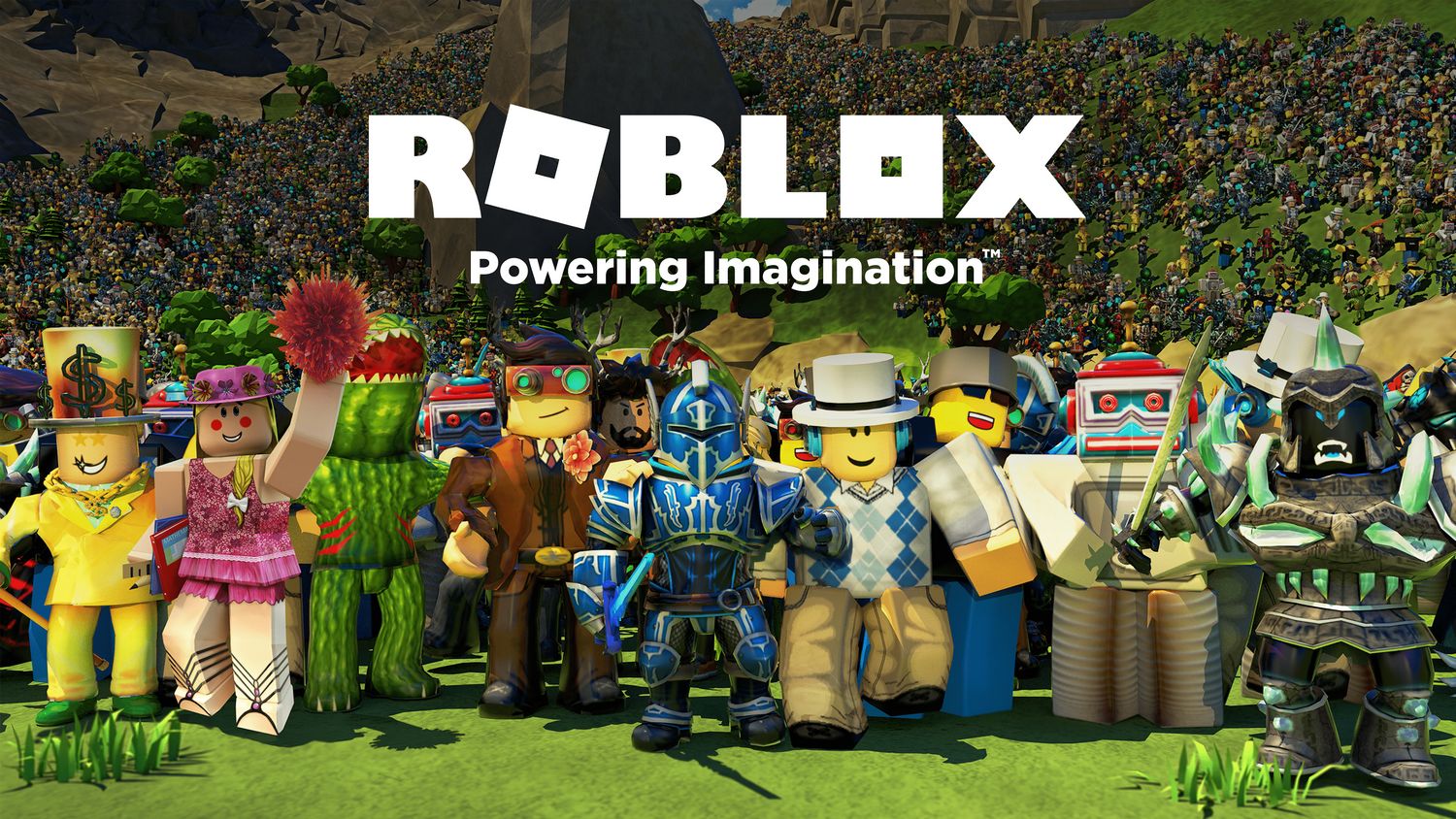
The discussion around a potential betting feature on Roblox underscores the ongoing need for robust parental controls and increased industry responsibility. Parents are increasingly concerned about the types of content their children are exposed to online, and features like virtual currency betting only amplify these anxieties. Gaming companies, especially those catering to a young audience, have a moral and societal obligation to prioritize youth protection online over potentially lucrative, but ethically questionable, monetization strategies.
Furthermore, this scenario highlights a broader trend within the gaming industry where the lines between play, commerce, and speculation are increasingly blurred. As online worlds become more immersive and virtual economies mature, the challenges of regulating digital asset speculation and preventing gaming addiction will only grow. The Roblox controversy serves as a crucial case study, pushing the industry to confront tough questions about the ethical boundaries of game monetization and the long-term impact on player welfare.
Ultimately, any move by Roblox to incorporate betting features, even in a limited or highly regulated manner, would represent a significant pivot, demanding unparalleled transparency and stringent safeguards. The millions of players who call Roblox home, and their parents, deserve absolute clarity and a guarantee that their cherished virtual playground remains a safe and enriching environment, free from the inherent risks of gambling. The future of Roblox, and indeed the broader metaverse, hinges on navigating these complex waters with integrity, foresight, and an unwavering commitment to its youngest users.