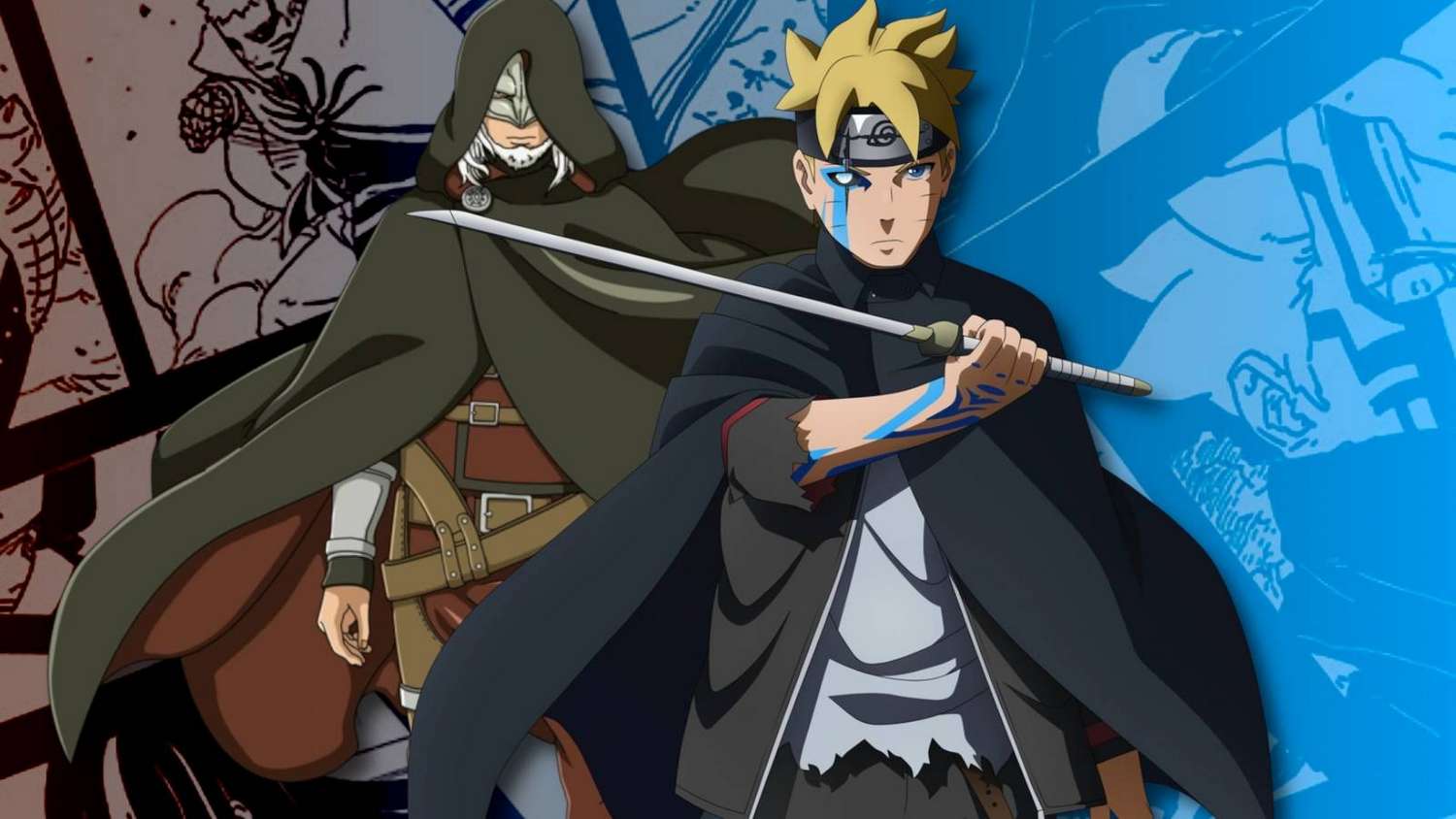
Boruto’s New God-Tier Villains: How Shinju Officially Dethrone Naruto Uzumaki’s Strength in Two Blue Vortex










Popular Now
 Toca Boca World
 FIFA 23
 NBA 2K24
 Fall Guys
 R.E.P.O
 Free Fire
 Grand Theft Auto V
 Geometry Dash
 The Legend of Zelda
 Auto X Drift Racing 3
 The landscape of power in the Naruto universe has undergone a seismic shift, particularly with the latest developments in Boruto: Two Blue Vortex. For years, Naruto Uzumaki, the Seventh Hokage, stood as the undisputed pinnacle of strength, a legendary Shinobi who mastered Sage Mode, wielded the Nine-Tails’ immense chakra, and single-handedly faced down cosmic threats. However, the emergence of a terrifying new class of villains – the Shinju – unequivocally signals a new era where even Naruto’s colossal power may no longer suffice. This article delves into why these evolved entities are not merely strong adversaries but represent a canonical dethroning of Naruto Uzumaki’s long-held position as the strongest character.
The Unprecedented Threat of the Shinju
The Shinju are not traditional villains; they are an evolved form of the Ten-Tails, transformed into autonomous, sentient beings. In the ongoing saga of Boruto: Two Blue Vortex, these entities emerge from the Ten-Tails tree, each possessing the core consciousness and characteristics of a transformed human. This unique origin grants them not only incredible raw power but also strategic intellect, adaptability, and a chilling understanding of human nature. Unlike previous threats, which often relied on brute force or specific Otsutsuki abilities, the Shinju present a multifaceted challenge that transcends conventional Shinobi warfare.
- Sentient Predation: Each Shinju possesses its own will, memories, and combat prowess derived from the human it consumed. This makes them highly intelligent and unpredictable combatants, capable of advanced strategy.
- Chakra Absorption and Replication: At their core, Shinju are fragments of the Ten-Tails, granting them an insatiable hunger for chakra. They can absorb chakra from any living being, making them grow stronger with every encounter. Their ability to replicate the abilities and memories of those they consume is a game-changer, allowing them to turn the strengths of their enemies against them.
- Numerical Advantage and Evolution: The Shinju are not a singular threat but a growing legion. Their numbers, combined with their rapid evolution and adaptation, create an overwhelming force that even a single, immensely powerful Shinobi would struggle to contain. Each defeat potentially teaches the remaining Shinju valuable lessons, accelerating their growth.
Why Naruto’s Strength Falls Short Against the Shinju
While Naruto, especially in his Baryon Mode, achieved power levels that were arguably unmatched in previous conflicts, the Shinju pose a unique problem that transcends raw destructive capability. Even if Naruto were not currently sealed away by Kawaki’s Omnipotence, his established strengths have significant vulnerabilities when pitted against these new antagonists.
The Limits of Raw Power and Chakra Reserves
Naruto’s primary strength lies in his vast chakra reserves, the Nine-Tails’ power, and his mastery of various Jutsu. However, the Shinju’s fundamental nature directly counters these advantages:
- Chakra Drainage: The Shinju are essentially living chakra sinks. Any direct confrontation would see Naruto’s colossal chakra reserves drained rapidly, diminishing his fighting capacity over time. This is not merely an energy exchange; it’s a parasitic absorption.
- Adaptability vs. Fixed Techniques: While Naruto is adaptable, his fighting style largely relies on established techniques. The Shinju, by consuming Shinobi, gain access to their opponent’s very arsenal, potentially replicating Kage Bunshin, Rasengan variants, or even advanced Kekkei Genkai. This immediate mimicry and adaptation negate Naruto’s strategic advantages.
- No Single Point of Failure: Previous villains often had a core weakness or a single entity to defeat. The Shinju are numerous, and their destruction is not guaranteed to stop the threat, as more can emerge or evolve. This distributed threat model is incredibly challenging for a single powerful fighter, no matter how strong.
Strategic Implications and Narrative Necessity
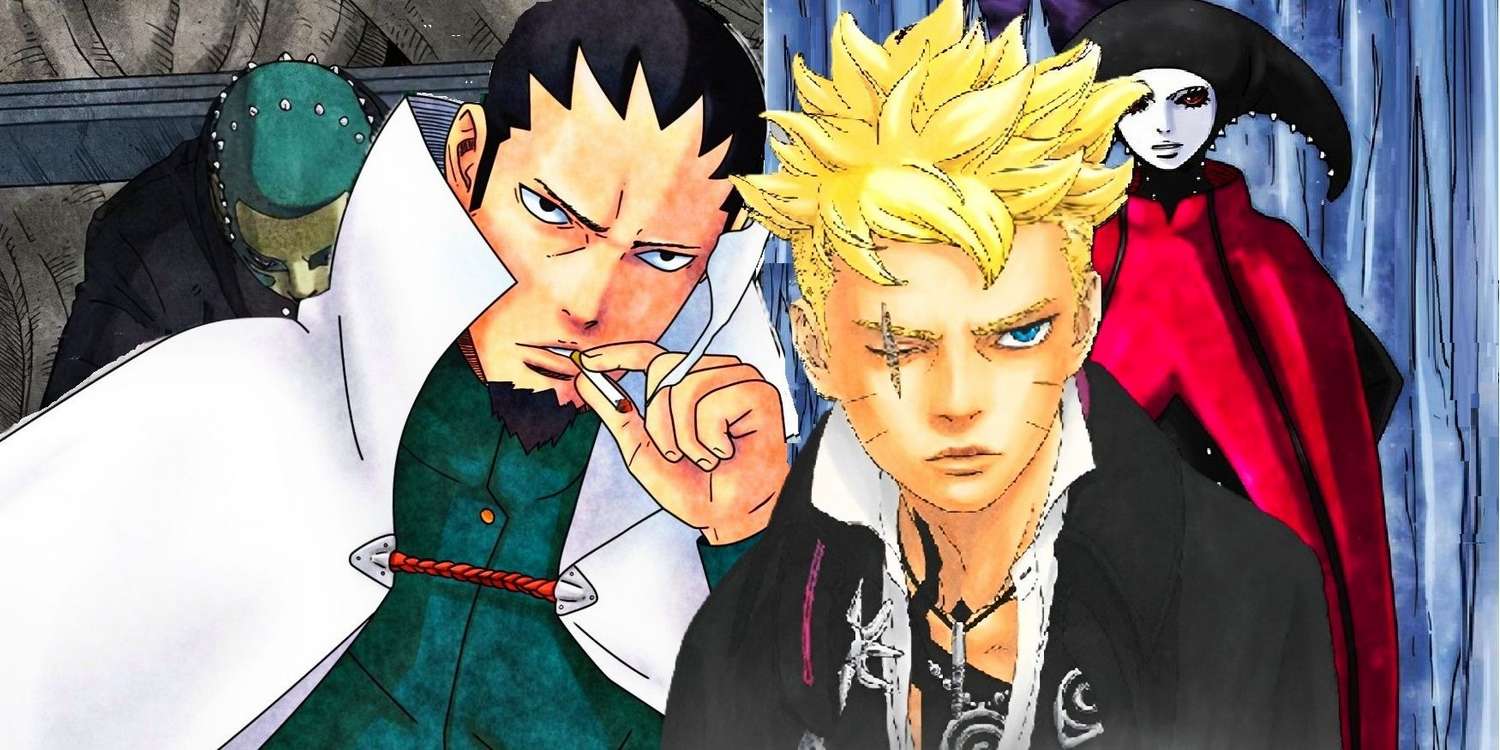
The narrative of Boruto has consciously elevated the stakes, making it a necessity for a new threat to surpass even Naruto and Sasuke. This is crucial for Boruto to step into his own as the protagonist.
- Beyond Otsutsuki: While Isshiki and Momoshiki were formidable Otsutsuki, their power was largely contained within their individual capabilities. The Shinju represent a collective, evolving Otsutsuki-level threat, decentralizing the ultimate villain and making it harder to target.
- Psychological Warfare: By absorbing individuals and manifesting their personalities (like Moegi or Konohamaru), the Shinju engage in psychological warfare, forcing Boruto and his allies to confront twisted versions of their friends. This dimension of conflict is something Naruto rarely faced directly.
- The Cost of Power: Baryon Mode, Naruto’s most powerful form, came with a severe life-span cost. Against a sustained, numerous, and adaptive threat like the Shinju, such a temporary burst of power would be unsustainable and ultimately insufficient. Naruto’s greatest weakness.
Boruto’s Emergence and the Path Forward
The rise of the Shinju firmly establishes a power ceiling beyond Naruto’s current capabilities, forcing Boruto and Kawaki to confront threats on an entirely different scale. Boruto, with his advanced Karma abilities, mastery of techniques like the Rasengan Uzuhiko, and the unique capabilities of the Jougan, is positioned to tackle this new challenge. His connection to Momoshiki, though a burden, also grants him insights and powers potentially crucial in understanding and defeating the Shinju.
- Rasengan Uzuhiko: Boruto’s new technique, which perpetually drains chakra and disrupts its target, seems tailor-made to combat chakra-hungry entities like the Shinju.
- Otsutsuki Knowledge: Boruto’s latent Otsutsuki heritage and Momoshiki’s presence offer unique perspectives on defeating entities derived from the Ten-Tails.
- Team Dynamics: The current threat necessitates a more collaborative and strategic approach, moving beyond relying on a single ‘strongest’ individual. The coordinated efforts of Boruto, Kawaki, Sarada, and Mitsuki will be paramount.
Conclusion: A New Era of Power Dynamics
The Shinju are more than just powerful villains; they represent a fundamental shift in the power scaling of the Naruto universe. Their unique ability to absorb, adapt, and replicate powers, coupled with their sheer numbers and intelligence, places them in a league that surpasses even Naruto Uzumaki’s legendary strength. This strategic evolution of antagonists ensures that the narrative stakes remain incredibly high and creates fertile ground for Boruto to forge his own legacy, stepping out of his father’s colossal shadow. The era where Naruto was the undisputed strongest has officially concluded, paving the way for a new generation to face the ultimate challenge in a world transformed by the menacing and adaptable Shinju.